The Art of Persuading Others University of Iowa Quizlet
Ethos, desolation, logos, and kairos all stem from rhetoric—that is, speaking and writing effectively. You might find the concepts in courses on rhetoric, psychology, English, or in just near any other field! The concepts of ethos, pathos, logos, and kairos are also called the modes of persuasion, ethical strategies, or rhetorical appeals. They have a lot of different applications ranging from everyday interactions with others to big political speeches to effective ad. Read on to learn virtually what the modes of persuasion are, how they're used, and how to identify them! As you might take guessed from the sound of the words, ethos, desolation, logos, and kairos get all the style back to ancient Greece. The concepts were introduced in Aristotle's Rhetoric, a treatise on persuasion that approached rhetoric as an art, in the fourth century BCE. Rhetoric was primarily concerned with ethos, desolation, and logos, but kairos, or the thought of using your words at the right time, was besides an important feature of Aristotle's teachings. Withal, kairos was particularly interesting to the Sophists, a group of intellectuals who fabricated their living didactics a variety of subjects. The Sophists stressed the importance of structuring rhetoric around the ideal fourth dimension and place. Together, all four concepts have become the modes of persuasion, though nosotros typically focus on ethos, pathos, and logos. Though yous may not have heard the term earlier, 'ethos' is a common concept. You can think of information technology as an appeal to authorization or character—persuasive techniques using ethos volition attempt to persuade you lot based on the speaker's social standing or knowledge. The word ethos even comes from the Greek give-and-take for character. An ethos-based statement will include a argument that makes use of the speaker or author'south position and knowledge. For example, hearing the phrase, "As a dr., I believe," before an argument about physical health is more likely to sway you than hearing, "As a 2d-grade teacher, I believe." As well, glory endorsements tin can be incredibly effective in persuading people to do things. Many viewers aspire to be like their favorite celebrities, then when they announced in advertisements, they're more likely to buy whatsoever they're selling to be more like them. The same is truthful of social media influencers, whose partnerships with brands can have huge financial benefits for marketers. In addition to authority figures and celebrities, according to Aristotle, we're more than likely to trust people who we perceive as having practiced sense, good morals, and goodwill—in other words, we trust people who are rational, fair, and kind. You don't have to exist famous to utilize ethos effectively; you but demand whoever you're persuading to perceive you lot as rational, moral, and kind. Desolation, which comes from the Greek word for suffering or experience, is rhetoric that appeals to emotion. The emotion appealed to can be a positive or negative one, but any it is, it should make people feel strongly as a means of getting them to agree or disagree. For example, imagine someone asks you to donate to a crusade, such as saving rainforests. If they just ask you to donate, y'all may or may non want to, depending on your previous views. But if they take the time to tell you a story well-nigh how many animals go extinct considering of deforestation, or even about how their fundraising efforts have improved conditions in the rainforests, y'all may exist more likely to donate because you're emotionally involved. But pathos isn't just about creating emotion; it can also be nearly counteracting information technology. For example, imagine a teacher speaking to a grouping of angry children. The children are bellyaching that they have to do schoolwork when they'd rather exist outside. The teacher could admonish them for misbehaving, or, with rhetoric, he could alter their minds. Suppose that, instead of punishing them, the instructor instead tries to inspire calmness in them by putting on some soothing music and speaking in a more hushful voice. He could also try reminding them that if they get to piece of work, the fourth dimension volition pass quicker and they'll be able to go exterior to play. Aristotle outlines emotional dichotomies in Rhetoric. If an audience is experiencing one emotion and it's necessary to your statement that they feel some other, you can counterbalance the unwanted emotion with the desired one. The dichotomies, expanded upon later on Aristotle, are: Note that these can piece of work in either management; information technology's not but about swaying an audience from a negative emotion to a positive one. Nevertheless, changing an audience'southward emotion based on false or misleading data is ofttimes seen as manipulation rather than persuasion. Getting into the hows and whys requires a dive into the ideals of rhetoric, but suffice to say that when you attempt to deceive an audience, that is manipulation. If you really want to get an audience fired up virtually something, you tin can inspire righteous anger, which may or may non be manipulation. If somebody is offended that yous've asked them for something, y'all can try making them experience distressing for you by turning indignation into pity—that'due south manipulation. Logos comes from a Greek discussion of multiple meanings, including "ground," "speech communication," and "reason." In rhetoric, it specifically refers to having a sense of logic to your persuasion; logos-based rhetoric is founded in logic and reason rather than emotion, authority, or personality. A logic-based statement appeals to a person's sense of reason—good logos-based rhetoric volition persuade people because the statement is well-reasoned and based in fact. In that location are two mutual approaches to logos: deductive and inductive arguments. Deductive arguments build on statements to reach a determination—in effect, the decision is reached in reverse. A common method is to propose multiple true statements which are combined to reach a conclusion, such every bit the classic method of proving that Socrates is mortal. All men are mortal, and Socrates is a homo, therefore Socrates must exist mortal. That's not really a case that needs to exist argued, but we tin can utilise the aforementioned framework to other arguments as well. For example, we demand energy to live. Food gives the torso energy. Therefore, we need nutrient to live. All of this is based on things we can prove, and results in a determination that is true, not just theorized. Deductive reasoning works on the supposition that A = B, B = C, so therefore A = C. But this also supposes that all the information is true, which is non e'er the case. Sometimes the conclusions y'all reach with deductive reasoning can be valid, as in the reasoning makes sense, simply the determination may not be necessarily true. If nosotros return to the Socrates argument, nosotros could advise that: All men eat apples. Socrates is a human. Therefore, Socrates must eat apples. The trouble is that we can't testify that all men eat apples—some do, some don't. Some might swallow an apple one time but never once more. But based on our arguments, the conclusion that Socrates must eat apples is valid. A strong deductive statement for logos-based reasoning will exist composed of provable facts that can reach a provable conclusion. However, a valid just not entirely sound argument can likewise be effective—but be wary of shifting from persuasion to manipulation! Another approach to logos-based rhetoric is inductive reasoning, which, different deductive reasoning, results in a probable argument rather than a definite one. That doesn't mean that it is less effective—many scientific concepts we take as truth are anterior theories simply because we cannot travel dorsum in time and prove them—but rather that inductive reasoning is based on eliminating the impossible and ending in an statement that is based in sound logic and fact, simply that may not necessarily be provable. For instance, all people with a coughing have a cold. Kelly has a cough. Therefore, Kelly likely has a cold. Our conclusion is likely, but not absolute. It's possible that Kelly doesn't have a cold—non because she doesn't have a cough, merely because there are other possible causes, such as having allergies or having but breathed in some grit. The conclusion that she has a common cold is likely based on data, but not accented. Another example would be that Kelly picks her nose. Kelly is a adult female, therefore all women must choice their nose. Inductive reasoning is based on generalizations. The first example, in which Kelly likely has a cold, makes sense because information technology's based on something provable—that a sampling of people who have a coughing have colds—and followed upward with a likely decision. In the 2nd case, this is a less sensible conclusion because it'due south based on extrapolation from a single reference point. If we reverse the claim and say that all women pick their noses, and Kelly is a woman, therefore Kelly must pick her nose, that would be more sound logic. Still not necessarily true—non all women option their noses—only a more sound case of inductive reasoning. Anterior reasoning tin can withal be incredibly effective in persuasion, provided that your data is well-reasoned. Inductive reasoning creates a hypothesis that tin be tested; its conclusion is not necessarily true, but can be examined. Every bit always, be wary of venturing into manipulation, which is more likely to be based on erroneous or misleading facts. Kairos is the Greek word for the opportune moment, which is precisely what it means in rhetoric. Co-ordinate to this principle, the time in which an argument is deployed is every bit important every bit the argument itself. An argument at the incorrect fourth dimension or to the wrong audience will be wasted; to be effective, yous must also consider when y'all are speaking and to whom. In effect, kairos means choosing the right rhetorical device to match the audience and space in which you're attempting to persuade. If you wanted to persuade people to go vegetarian, the eye of a hot domestic dog-eating competition is probably not the right time. Likewise, you're probably not going to persuade a room of data-driven scientists of something by appealing to desolation or ethos; logos is probably your best bet. In essence, kairos asks yous to consider the context and temper of the argument y'all're making. How tin can you deploy your statement better considering fourth dimension and space? Should you wait, or is time of the essence? As Aristotle famously said, "Anybody tin can become angry—that is like shooting fish in a barrel, but to be aroused with the right person and to the right degree and at the right time and for the correct purpose, and in the right way—that is not inside everybody's power and is not easy." The goal of kairos is to achieve exactly that. Constructive use of kairos strengthens your persuasion ability by considering how people are already feeling based on context. How can you influence or annul that? Or possibly pathos isn't the right approach—mayhap cold hard facts, using logos, is more than suited. Kairos works in conjunction with the other modes of persuasion to strengthen your argument, then equally you're putting a persuasive piece together, consider how and when it'll be deployed! Agreement how the modes of persuasion work can make you improve at identifying and picking them out. Not only is a better understanding of them useful for composing your own arguments, but information technology's also beneficial when seeing other people's arguments. When you understand how ethos, pathos, logos, and kairos work, y'all're less susceptible to them. Advertisement is ane of the places nosotros see the modes of persuasion nigh oft. Looking at each of these advertisements, you lot tin can see how they use each mode of persuasion to convince audiences to convince an audience of something. Using celebrities is a classic example of ethos, which uses authority or recognition to convince an audience of something. In this case, celebrities like Michelle Obama, Lin-Manuel Miranda, and Janelle Monáe discuss the importance of voting. It doesn't matter that they're not politicians or political scientists; audiences notice them appealing and genuine. When they speak of the importance of voting, audiences listen because they similar what these figures take to say. If talented, famous people like this are taking the time to vote, it must exist important! Historians or those well-versed in politics might make different arguments well-nigh why audiences should vote, simply in this case, the goal is to inspire people. When we encounter people we admire doing things, we want to do them too; hence the reason that ethos works so well. ASPCA's commercials are some of the most infamous examples of pathos in advertising. Sarah McLachlan's "Angel" plays over footage of driveling animals in shelters, encouraging viewers to donate money to support the system. It's not hard to understand why information technology works; both the vocal and the imagery are heartbreaking! You can't help but feel distressing when you lot encounter it, and that sadness, when followed upward past a prompt to donate, encourages you to take immediate action.And these ads are effective—the campaign raised millions of dollars for ASPCA. By appealing to our emotions and making usa feel deplorable, this advertising encourages united states to act. That'south a archetype apply of ethos—it influences our feelings through the ane-2 dial of sad music and imagery, encouraging us to perform the desired action. In some cases, emotion and authority aren't the right tactic. Logos often appears in tech advertisements, such as this ane for the iPhone XS and XR. Notice how the advertizing focuses on product shots and technological terms. Virtually audiences won't know what an A12 bionic neural engine is, but information technology sounds impressive. Likewise, that "12 MPf/1.8 broad-angle lens, with larger, deeper i.iv micron pixels" is pretty meaningless to most people, but the numbers propose that this phone is something special because information technology uses scientific-sounding linguistic communication. Information technology doesn't matter whether audiences really sympathise what'due south being said or not. What matters is that they experience confident that the ad is selling them something they need—in this case, impressive technological specifications that brand this telephone an improvement over others. Kairos should ideally factor into all uses of the modes of persuasion, but timeliness can also be a big selling point. In this Christmas-themed M&Ms advertisement, the company uses timely humor to forge a connection betwixt the holidays and 1000&Ms. Because these commercials have been running for such a long time, there's also a nostalgic attachment to them. Just as people look forward to new Budweiser advertisements during the Super Bowl, others look forwards to seeing M&Ms or the Coca-Cola polar bear during the holidays. Though this commercial doesn't get out of its manner to tell you the benefits of M&Ms, it does forge a connectedness between Thousand&Ms and Christmas, encouraging people to purchase them around the holidays. At present that you've had some exposure to how ethos, desolation, logos, and kairos function and what they can do, you can test your power to recognize them using the images below! There are a few things to notice about this prototype: Can you effigy out which mode of persuasion this represents? The fact that the figure is anonymous tells us it'south probably not ethos. While we might be influenced past a person who'south in shape, there's non really an appeal here based on the person—they're but an image to support the ad. "Boss" is a pretty loaded discussion, suggesting that this may take elements of desolation. However, take a expect at that statistic. Whether it's true or not, a hard statistic like that suggests that this ad is using logos to appeal to viewers. You can depict out an argument from there—75% of users lose weight inside weeks. Y'all're a user. Therefore, you will likely lose weight within weeks. What do you observe almost this image? What mode of persuasion is this? Again, we don't know who the model is, and perfume isn't going to make us look like her, so we tin can count ethos out. The advertizement seems pretty intent on making us await at certain things—the woman'due south lips and chest in item. What is it trying to make u.s. feel? "FORBIDDEN FRUIT" has a connotation of sensuality. Red is a colour ordinarily associated with passion. When you lot combine the photo, the framing, the perfume name, and the color, y'all go a strong sense of sex appeal from the advertizement. This makes it an example of pathos—the ad is trying to make u.s.a. feel a certain way. If nosotros purchase this perfume, peradventure we would experience attractive, as well. How almost this advertising? Seeing a doctor might make you tempted to retrieve the respond is logos, but there'southward no entreatment to logic here. "No more back pain," is a nice promise, only at that place's no endeavor to entreatment to emotions, and then it tin can't be pathos. What's important in this image is the combination of the md in the paradigm and the line "doctor recommended." This physician might non be famous, but he does have authorisation, making this an example of ethos. Our confidence in this treatment grows because we trust that a dr. understands how to accost back pain. What fashion of persuasion is this?Think about: She does look stylish and the ad mentions stylists, so it'due south possible that this is ethos. There are no statistics or arguments being made, so the answer probably isn't logos. Pathos is possible, but despite having a heavily made-up model, this advertisement is far less about sexual activity appeal than the previous one. But the text mentions a specific vacation—New year'due south—suggesting that this is kairos. Kairos can, and often should, be combined with all the modes of persuasion to be fifty-fifty more than effective. In this case, the model'southward appearance could suggest either ethos or pathos in addition to kairos. The bulletin here is that you should human activity now, at the beginning of the year, to have reward of the deal and to start the yr off with a new style, much like the 1 the model is sporting. At present that you know the difference between all the modes of persuasion, you'll accept a much easier time identifying them. If you meet trouble, you lot can ever ask questions about what you're seeing, hearing, or reading to empathize what mode of persuasion information technology'south using. If the argument is based on a specific mean solar day or context, such every bit Valentine's Twenty-four hours or appealing only to a select group of people, such as people with dogs, it'south more likely to be kairos. Celebrities are often a dead giveaway that an argument is using ethos. But authorisation figures, such equally doctors, dentists, or politicians, can also exist used to entreatment to ethos. Even regular, everyday people can piece of work, specially when combined with pathos, to appeal to you based on a common connection you have. Statistics are a huge clue that an argument is using logos. But logos can also just be a logical argument, such as that if plants need water, and it's hard to remember to water them, you should purchase an automatic found waterer. It makes perfect sense, making yous more likely to purchase information technology, rather than changing your habits to remember to water your plants more frequently. If an argument tries to change your emotions, whether by making you sad, happy, angry, or something else entirely, it'southward a good indicator that it'south using pathos. Sexual practice appeal is one of the biggest examples of desolation in advertising, actualization everywhere from makeup ads to car commercials to hamburger advertisements. Need help understanding the historical context forThe Cracking Gatsby to perfect your kairos-based argument? You can always combine the modes of persuasion with literary devices to make your arguments fifty-fifty stronger! Learn how to say "good morning time" in Japanese! Fifty-fifty if it'south not a fashion of persuasion, information technology's simply good manners.
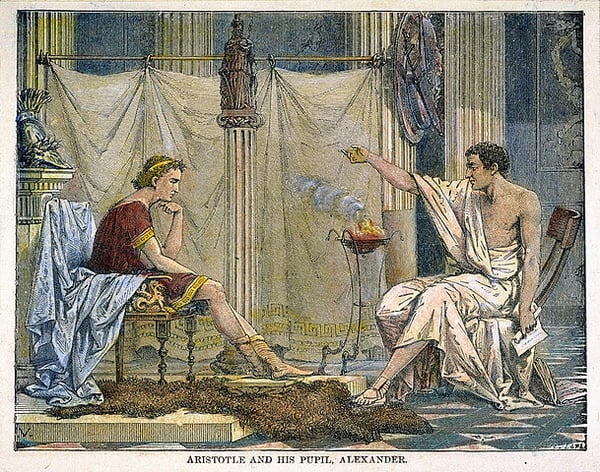 "Yes, Alexander, this will be on the test."
 What Are the Modes of Persuasion?
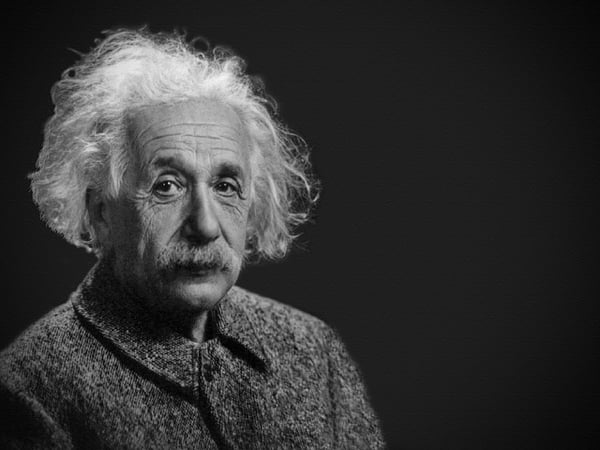 If Einstein says information technology, information technology must be truthful.
 What Is Ethos?
 Sad imagery is an example of pathos, which appeals to emotion.
 What Is Pathos?
 Seems trustworthy, right?
 What Is Logos?
 Kairos is all almost the correct time and place.
 What Is Kairos?
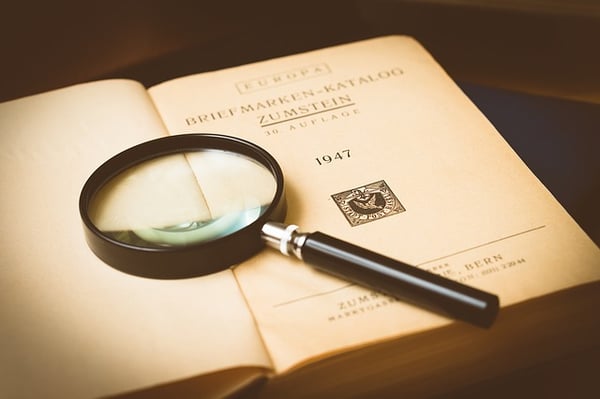 Exercise a petty detective work to figure out which style of persuasion you're seeing.
 How to Identify Ethos, Pathos, Logos, and Kairos
Ethos
Pathos
Logos
Kairos
 Enhance your persuasion by ameliorate understanding ethos, pathos, logos, and kairos.
 Examples of the Modes of Persuasion




 A crying child is nearly certainly pathos.
 Central Tips for Identifying Ethos, Pathos, Logos, and Kairos
#i: Is It Related to a Specific Fourth dimension?
#2: Does It Involve a Glory or Authority Effigy?
#three: Does Information technology Involve Statistics?
#4: Does It Influence Your Emotions?
What's Adjacent?

Melissa Brinks graduated from the University of Washington in 2014 with a Bachelor's in English language with a creative writing emphasis. She has spent several years tutoring K-12 students in many subjects, including in SAT prep, to help them prepare for their college education.
perrynesomplefore1959.blogspot.com
Source: https://blog.prepscholar.com/ethos-pathos-logos-kairos-modes-of-persuasion
0 Response to "The Art of Persuading Others University of Iowa Quizlet"
Postar um comentário